


Why Suburbs Need More Trees: Throwing Shade—and Solving Problems

Updated: Dec 20, 2025
Cities and suburbs are dealing with some pretty heavy stuff these days—rising temperatures, bad air, flooded streets, toxic soil, not enough access to fresh food, and growing stress levels. On the surface, these all seem like completely different problems.
But here’s the twist:
There’s one simple, low-tech solution that helps with all of them: Trees.Yep, plain ol’ trees.
Let’s break it down.
1. Lowering Energy Costs
Tired of sky-high electric bills in the summer? Trees can help with that.
Strategically placed shade trees around your home can significantly lower indoor
temperatures, reducing your need for air conditioning. In fact, shaded homes can save up to 30% on cooling costs. And in winter, evergreen windbreaks can reduce heating bills too. Nature’s insulation at its finest.
2. Preventing Flooding
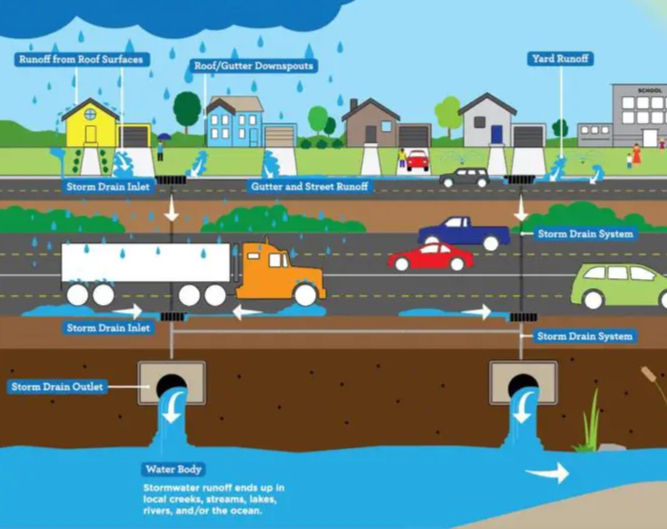
As suburbs grow, so do the paved surfaces—and that means more stormwater runoff. When rain has nowhere to soak in, it rushes over driveways, sidewalks, and streets, overwhelming storm drains and flooding basements. But stormwater is best managed right where it falls.
That’s where trees come in. Their leafy canopies slow down raindrops before they hit the ground, and their roots absorb water and improve the soil’s ability to hold moisture. The result? Less runoff, less erosion, and less strain on your neighborhood’s drainage system—especially in older subdivisions where creeks often double as storm channels.
Tip: Plant native trees in low-lying areas of your yard to create natural rain gardens.
Bonus: Skip the lawn chemicals—healthy soil with active microbes and root systems absorbs more water naturally.
Stormwater is best absorbed where it falls.
3. Cleaning Up Contaminated Soil
Got a patch of land where nothing grows right? You might be dealing with compacted, nutrient-poor, or even chemically contaminated soil—especially in older developments.
Tree roots don’t just grow—they heal.
They improve soil structure, support underground ecosystems, and even help filter out pollutants like heavy metals and hydrocarbons. It’s called phytoremediation, and it’s a real thing. Some trees are natural detoxifiers.

4. Reducing Particulate Matter Pollution
Cars, lawnmowers, and nearby roadways all pump fine particles into the air. These tiny pollutants—called particulate matter—can worsen asthma, heart disease, and other health problems. Trees act as giant filters. Their leaves and bark capture airborne particles, cleaning the air before it reaches your lungs. Planting more trees near busy streets and in your yard can actually lower localized air pollution levels.

5. Throwing Shade on People
(In the best possible way.)
Welcome to the age of suburban heat islands—where asphalt and rooftops trap heat, making neighborhoods swelter in the summer.
Trees to the rescue!
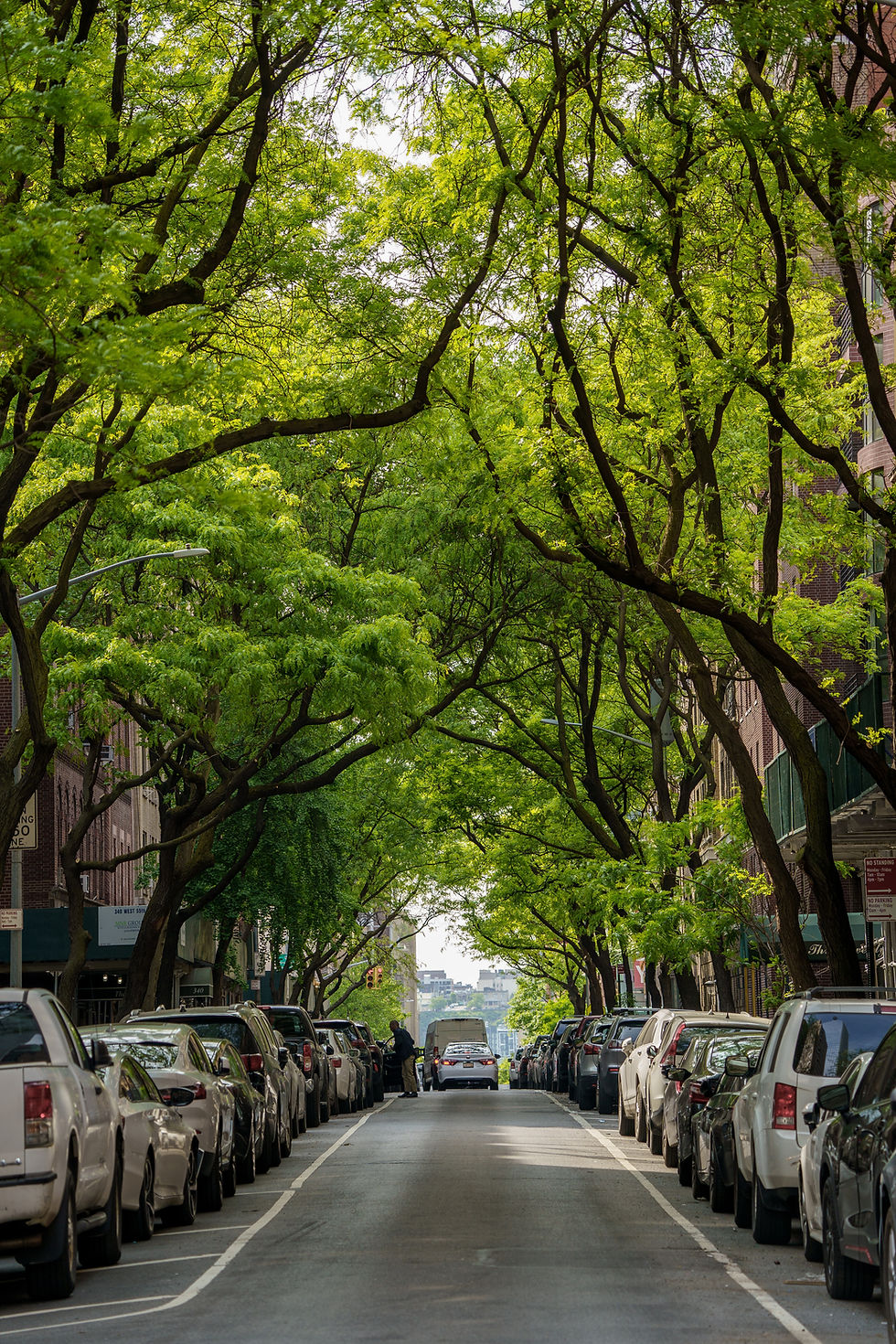
Their leafy canopies offer cooling shade, helping to bring down surface and air temperatures in your yard, your street, and your town. Fewer heat-related health risks. Lower energy bills. More comfort.
6. Providing Free Fresh Food

Food deserts aren’t just an urban issue.
Many suburban neighborhoods lack access to affordable, fresh produce. But community tree planting projects can help bridge that gap. Fruit and nut trees offer healthy, seasonal food right where people live. They can support pollinators, teach kids where food comes from, and build stronger communities—all while providing delicious, hyper-local nutrition.
So, What’s the Fix?
You don’t need fancy gadgets or expensive upgrades to make a difference.You just need trees.
🌳 Plant one.🌳 Protect one.🌳 Ask for more in public spaces.
It’s easy to overlook what trees do for us, simply because they do it so quietly. But from your utility bill to your backyard flood zone, trees are putting in the work.
Sometimes the best solution isn’t new—it’s just waiting for us to notice.
How Trees Save Suburban Areas — Facts & Stats Table
Issue | Tree Benefit | Key Stats | Source |
High Energy Costs & Heat | Shade reduces air temps and cooling needs | Up to 9°F cooler air under trees- Surface temps 20–45°F lower- 30% energy savings | U.S. EPA, USDA Forest Service |
Stormwater & Flooding | Leaves & roots intercept, absorb, and slow rainfall | Mature tree intercepts 500–700 gallons/year- 30–60% runoff reduction | USDA Forest Service, Center for Watershed Protection |
Air Pollution | Trees filter out particulates and absorb gases | Remove 711,000+ metric tons/yearof pollutants- PM10 reduced by up to 60% | Nowak et al. (2014), Environmental Pollution Journal |
Toxic or Compacted Soil | Roots improve soil structure; some species detoxify pollutants | Phytoremediationstabilizes/removes heavy metals and chemicals | U.S. EPA Phytotechnology Profiles, Intl. Journal of Phytoremediation |
Food Insecurity | Fruit/nut trees provide fresh produce locally | Community trees can yield hundreds of lbs/year | Edible Forest Gardens (Jacke & Toensmeier), Urban Food Forestry research |
Mental Health & Wellbeing | Trees reduce stress and support recovery | Green views = faster healing & lower stress- Less depression & better focus in kids | Ulrich (1984), Science; NIH Public Health Reviews; Journal of Environmental Psychology |

Comments